
Safeguarding
Student safety is always a school’s number one priority. All our staff are trained in safeguarding and child protection procedures annually with regular refreshers on processes throughout the year.
Our policy for child protection can be read via the link below.
If you think a child is in immediate danger, call the police on 999.
If your concern is less urgent and you are worried about the welfare of a child/children, contact our Designated Safeguarding Lead (DSL), Vicky Chalcraft: dsl@sgs.uk.net
When we hear that a child might be being harmed in some way we make enquiries, we normally investigate with the local Multi Agency Safeguarding Hub (MASH) and try to speak to all other professionals who may know the child and their family.
Support for Students and Parents/Carers
Here is a list of local organisations and charities that can help students and their families deal with wellbeing and mental health issues- from bereavement, substance misuse, bullying and eating disorders to support around autism and ADHD.
This has been produced by Sussex Partnership NHS Trust.
NSPCC advice for parents
The NSPCC can help you with advice on how to build strong relationships with your children and keep them safe.
It’s more than just physical safety. A big part of keeping children safe is making sure to look after their emotional and mental well-being. Helping them develop healthy emotional bonds from infancy can have a lifelong effect, and a strong relationship can make it easier when you want to discuss issues such as expressions of sexual behaviour or self-harm.
As your child grows older, you’ll also worry about how to keep them safe when you’re not always around. When is a child old enough to be home alone? And how can they keep safe when they’re out on their own? You’ll also want to teach them about online safety and the dangers of sexting.
Of course, some people find it awkward to talk about some subjects. So if you don’t know how to talk to your child about difficult issues, these pages on the NSPCC website will provide helpful advice and support.
Information sourced from www.nspcc.org.uk/preventing-abuse/keeping-children-safe/
The NSPCC has recently launched the Share Aware campaign.
This new campaign will help parents talk to their children about staying safe on social networks. Keeping children safe online is a great concern for parents. The campaign aims to provide straightforward, advice for parents of 8 to 12-year-old children.
http://www.nspcc.org.uk/fighting-for-childhood/news-opinion/share-aware-campaign-launches/
The following six sections are designed to provide you with practical advice on areas of concern that sometimes cause parents anxiety or stress when supporting their child.
The six areas are:
Some of the links are to websites that provide their own advice and guidance; other links are to articles that may be of interest that are linked to the subject matter.
For more information about how we keep you children safe in school online, including the steps we take if remote education is provided for any reason and our approach to filtering and monitoring, please see our Child Protection and Safeguarding Policy, particularly section 11 and Appendix 6.
Camillle, boarder.
Read More
My name is Kate Armstrong, I’m in year 12 and I’ve been part of the Steyning Grammar School family for four years now.
Read More
I have really enjoyed my three years so far at SGS, I have taken part in my fair share of clubs and have enjoyed all of them.
Read More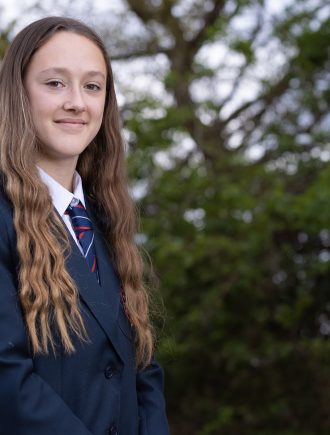
What I have loved about my three years so far at SGS are the brilliant resources and facilities. For example, I really enjoy the library at shooting field, which has a range of books and ebooks (which I can read on my iPad at home and at school).
Read More


